Cultural Festivals of Bhutan
Cultural Festivals of Bhutan: Month-Wise Guide to a Living Heritage
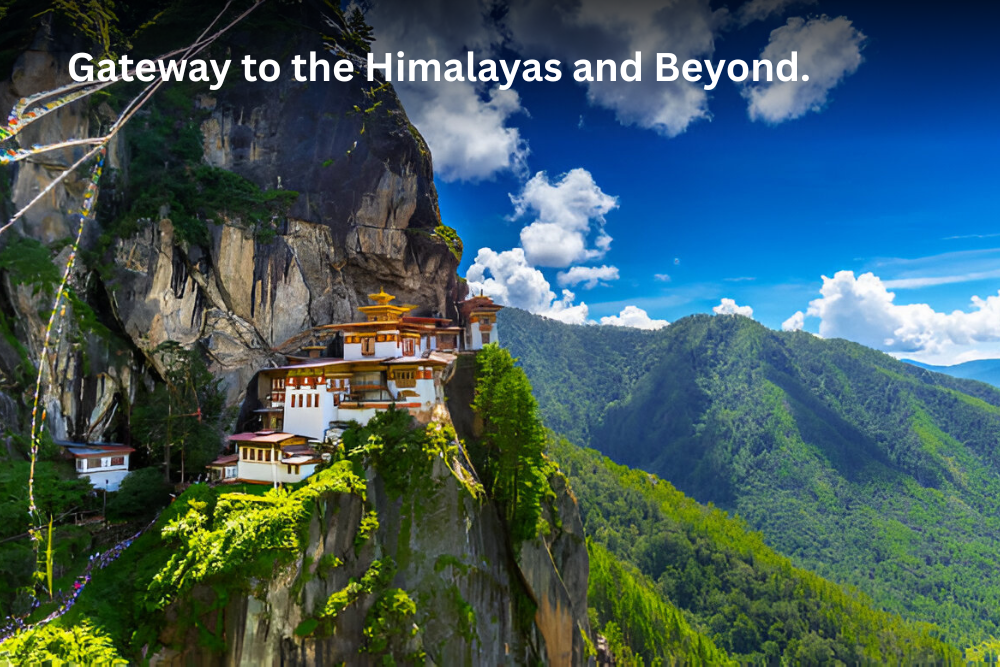
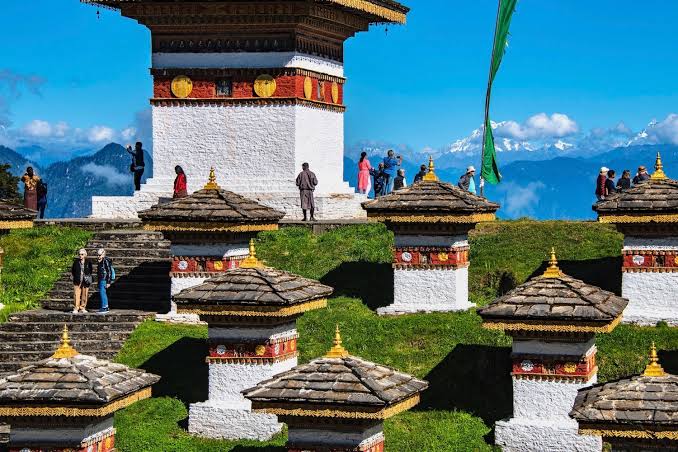
Firstly, cultural festivals of Bhutan stand as powerful symbols of the kingdom’s spiritual depth and timeless traditions. Moreover, these celebrations, widely known as Tshechus, reflect a harmonious blend of religion, art, and community life. Additionally, every festival connects people to Vajrayana Buddhism while preserving rituals passed down through generations.
Traditionally, Bhutanese festivals honor Guru Padmasambhava, who introduced Buddhism to the Himalayan kingdom in the 8th century. As a result, each Tshechu follows the lunar calendar, which slightly shifts festival dates every year. Consequently, travelers experience a dynamic cultural calendar filled with sacred dances, colorful attire, and vibrant gatherings.
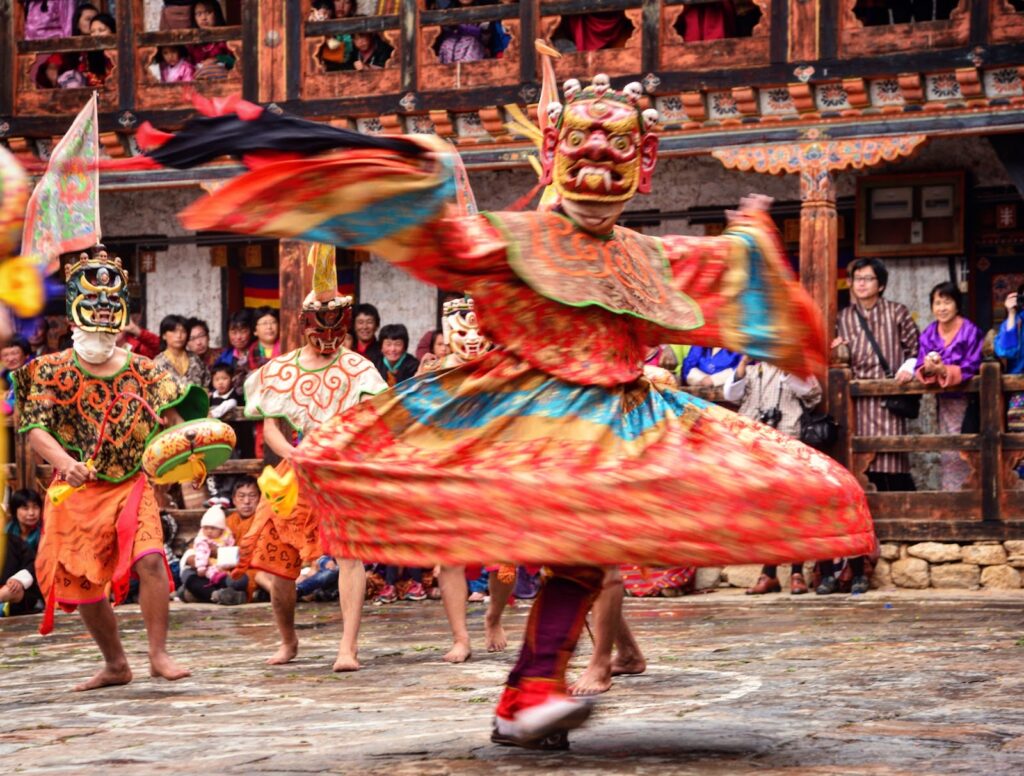
Most importantly, Cham mask dances define the heart of Bhutanese festivals. Through symbolic movements and elaborate costumes, dancers narrate stories of good triumphing over evil. Meanwhile, monks and lay performers bring spiritual teachings to life, creating an atmosphere that feels both celebratory and meditative.
Month-Wise Festivals to Visit in Bhutan
January – February
During winter months, quieter festivals unfold in rural valleys. Notably, Gangtey Tshechu in the Phobjikha Valley offers an intimate experience amid scenic landscapes and peaceful surroundings.
March
With the arrival of spring, Paro Tshechu takes center stage. Furthermore, the unveiling of the sacred Thongdrel attracts devotees and travelers alike, making it one of Bhutan’s most iconic festivals.
April
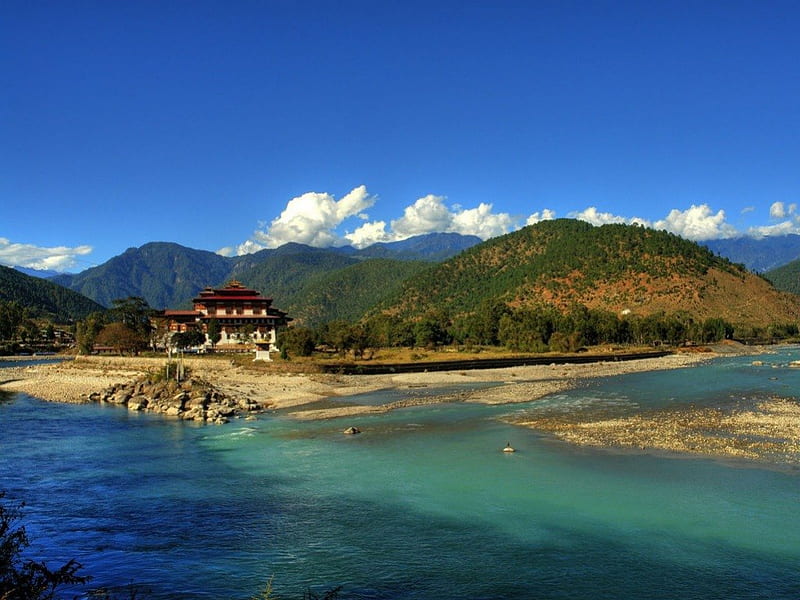
Soon after, Punakha Drubchen and Punakha Tshechu recreate historic battles and celebrate national unity. In addition, pleasant weather enhances travel comfort during this season.
May – June
As summer approaches, smaller village Tshechus take place. Therefore, visitors seeking authenticity and fewer crowds often prefer this period.
July – August
Although monsoon rains arrive, festivals continue. Specifically, the Haa Summer Festival highlights nomadic culture, traditional cuisine, and folk performances in the western valleys.
September
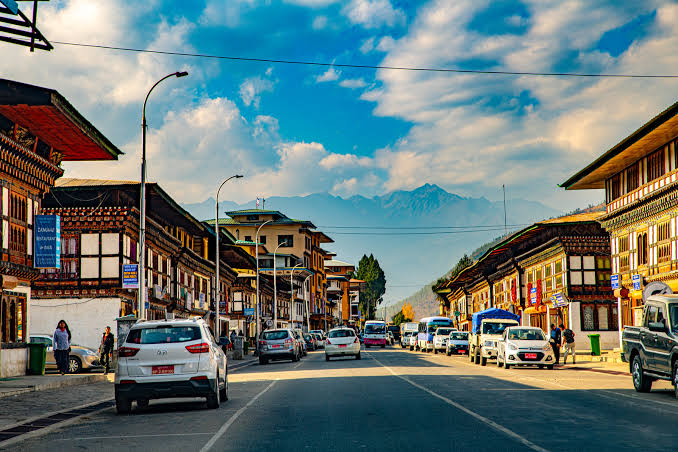
Following the monsoon, clear skies return. Consequently, Thimphu Tshechu, Bhutan’s largest festival, fills the capital with grandeur, music, and spiritual energy.
October
Undoubtedly, this month marks peak festival season. Most famously, Jambay Lhakhang Drup in Bumthang features sacred fire rituals and symbolic dances linked to purification and fertility.
November
As winter nears, the Black-Necked Crane Festival celebrates conservation and culture. Simultaneously, the arrival of endangered cranes adds natural beauty to the event.
December
Finally, festivals like Trongsa Tshechu conclude the year. As a result, travelers enjoy spiritual depth with fewer visitors and serene surroundings.
Why Bhutan’s Festivals Matter
Ultimately, cultural festivals of Bhutan preserve identity, strengthen community bonds, and inspire mindful living. More importantly, they offer travelers an authentic glimpse into a society that values harmony over haste. Therefore, visiting Bhutan during festival season becomes more than a journey—it becomes a cultural awakening.